


Due to their size and apparent ferocity, XL bully dogs, also referred to as extra large bully dogs, have generated controversy and discussion. There have been requests in certain countries to completely ban these dogs due to worries about public safety.
However, before drawing any conclusions, it is crucial to investigate the problem from a number of angles.
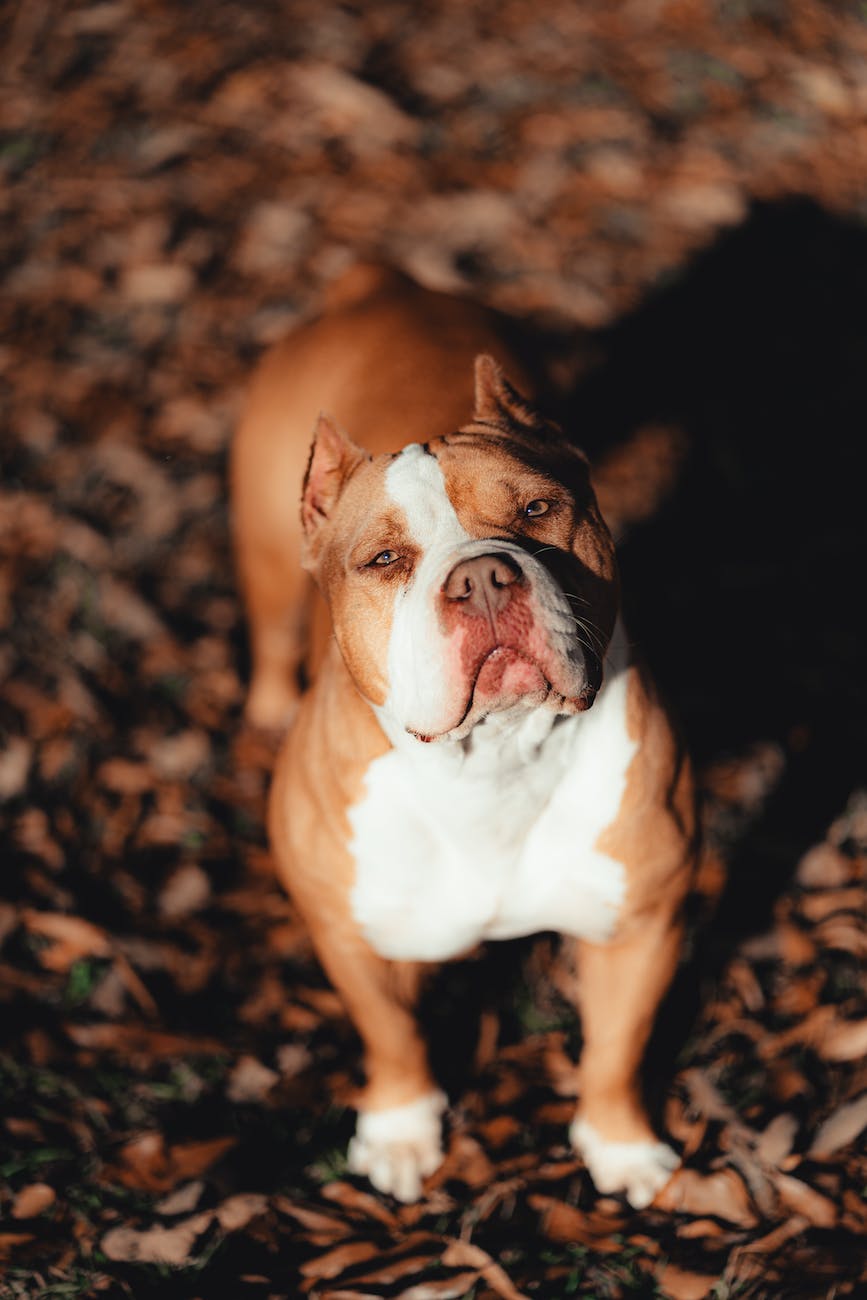
An American bully breed that has grown in popularity recently is known as an XL bully dog. They are recognisable because of their striking look, enormous stature, and muscular build. Despite their fearsome exterior, XL Bully Dogs are devoted, loving, and friendly companions when properly socialised and trained. However, certain people and groups have expressed worry about their scale and power, sparking debates about whether or not they ought to be outlawed.
The goal of this page is to provide readers with a comprehensive introduction to XL bully dogs, focusing on their physical qualities, temperament, and the current discussion regarding their ownership and prospective limits.
Definition and characteristics of XL Bully Dogs
Extra-big bully dogs, commonly known as XL bully dogs, are a kind of American bully breed noted for their big size and strong bodies. These dogs often weigh 70–120 pounds and stand 20–23 inches tall at the shoulder. They distinguish themselves from other kinds of dogs because of their broad chest, powerful jaws, and sturdy frame. XL Bully Dogs are often praised for their athletic ability and imposing appearance.
XL Bully Dogs are popular as family pets because of their loving and cuddly attitude. They are typically calm and tolerant with youngsters, despite their imposing looks. It is important to note, however, that adequate socialisation and training are essential for these canines to evolve into well-behaved companions. Furthermore, XL Bully Dogs are exceptionally clever and eager to please, making them quite simple to teach. They can succeed in obedience training with the appropriate supervision and continuous positive reinforcement.
In recent years, the popularity of XL bully dogs has constantly increased, with more and more people recognising their distinctive traits and outstanding physique. As a result, they may now be seen in a variety of dog exhibitions, contests, and even as cherished family pets all around the world.
Controversy surrounding XL Bully Dogs
Opponents of XL bully dogs believe that their size and power make them dangerous, particularly in the hands of irresponsible owners. There have been reports of these dogs being involved in assaults or aggressive episodes, prompting calls for stronger rules or even bans on keeping them. Concerns have also been raised regarding the possible health risks associated with breeding XL Bully Dogs for their excessive size, including joint difficulties and respiratory issues.
The lack of sufficient training and socialisation that certain XL bully dogs may receive is a major source of worry for the potential for aggressiveness and public safety. Owners who fail to offer proper training or expose their dogs to a variety of surroundings might lead to behavioural disorders, increasing the chance of aggressiveness towards humans or other animals. Furthermore, the sheer size and power of these dogs heighten the potential risk they represent if they become violent, making it critical for owners to be responsible and safeguard their pets’ well-being.
XL Bully Dogs may be kept as an indicator of status or a fashion item instead of as actual beings with needs and desires. This incorrect viewpoint may result in insufficient care and attention, increasing the probability of aggressive conduct. It is vital that society focuses on responsible ownership and education, encouraging a better understanding of these dogs and discouraging their use as status or fashion symbols.
Arguments in favour of XL Bully Dogs
One argument in favour of XL bully dogs is that, when properly taught and socialised, they may become devoted and loving friends. Many owners attest to these dogs’ friendly temperament and capacity to create deep ties with their families.
Furthermore, supporters claim that prohibiting XL bully dogs only on the basis of their appearance is discriminatory and fails to address the core reasons for violent behaviour, such as irresponsible ownership or a lack of sufficient training. Society can guarantee that these canines flourish in loving and supportive situations by emphasising responsible ownership and education.
Implementing required training programmes and encouraging responsible ownership, including adequate socialisation and obedience training, can significantly help reduce possible aggression issues. Furthermore, educating the public on the significance of knowing a dog’s specific requirements and behaviour may help debunk myths about XL bully dogs and promote a more inclusive and informed attitude towards these breeds.
Furthermore, highlighting successful stories of responsible ownership and the beneficial influence these dogs may have on their owners’ life can help to break down preconceptions and create a more tolerant attitude toward these breeds.

Legislation and bans on XL Bully Dogs
It is crucial to note that breed-specific regulation has been heavily criticised by experts and organisations for being ineffective and unjust since it focuses on certain breeds rather than responsible ownership and adequate training. Emphasise the need for comprehensive dog ownership rules that handle all breeds equally and promote responsible pet ownership.
Breed-specific legislation, proponents claim, is a proactive strategy for minimising dog attacks and boosting community safety. They feel that limiting or prohibiting particular breeds will lower the danger of mishaps and injuries. Opponents claim that this strategy fails to address the core reasons for dog aggression and ignores the reality that every breed, if not properly taught or socialised, has the potential to display aggressive behaviour. They fight for legislation that focuses on
Frequently Asked Questions (FAQ’s)
What will happen if you own an American bulldog?
If you have an American XL bully dog, it is critical that you investigate and understand the local legislation and limits. Breed-specific regulations in some areas may need additional safeguards such as muzzles, leash requirements, or even outright bans. It is critical to follow these regulations in order to keep your dog and the community safe. Furthermore, regardless of breed, it is important to prioritise good training and socialisation for your dog to avoid any potential violent behaviour.
Will my American XL bulldog be culled?
It is crucial to highlight that breed-specific regulation does not always imply dog culling. However, other jurisdictions may have harsher laws that might result in the abolition of some harmful breeds. To protect your dog’s safety, it is essential to be educated about the unique legislation in your region.
Can you keep an American bully in the UK?
Yes, you may retain an American bully in the United Kingdom. However, it is critical to understand the precise requirements and limits that may apply to various breeds.
 ugoscootersblog.com
0 comments on “Why is American XL Bully dogs being banned? And everything we know.”